

Injection Moulding for Infrastructure & Energy
Plastic moves Infrastructure & Energy
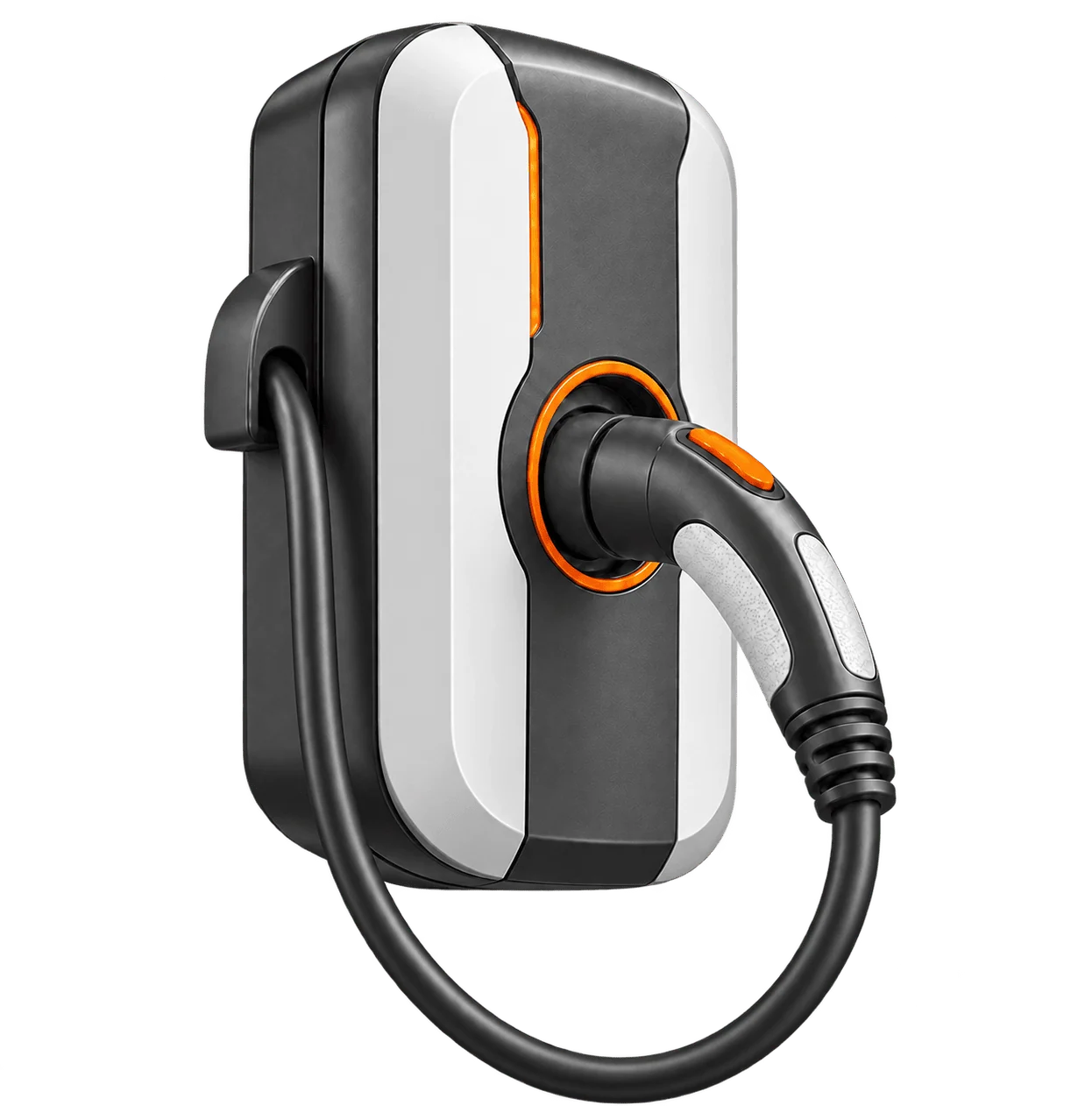
Plastic creates reliability – over decades
Corrosion-resistant
50+ years
Reduce operating costs
Save resources & energy
From design to resilient functional part
Project communication as simple as never before
You decide how we communicate
The process behind it also remains simple
Materials suitable for the application

Long-term pressure & stress crack resistance
Electrical insulation & tracking resistance
Flame retardancy & heat resistance
UV, ozone & weather resistance
Chemical & corrosion resistance
Structural strength & lightweight construction
Material Examples
Faster to the production-like component
Rapid Tooling
Prototypes from 5 days
Production-like materials
FAQs on Infrastructure & Energy
What functions can plastics perform in energy and infrastructure applications?
Depending on the application, plastics can insulate, protect, guide, seal, or perform mechanical functions. Typical requirements range from electrical properties to media and weather resistance, through to high mechanical resilience.
Does priomold support the selection of suitable plastics for outdoor applications?
Yes. We consider UV radiation, temperature, humidity, mechanical stress, and the planned duration of use, among other factors. Based on this, suitable and, if necessary, stabilised material types can be selected for prototypes and production-like tests.
Can plastics combine electrical insulation and mechanical function?
Yes. Engineering plastics can combine mechanical functions and electrical insulation in one component in suitable applications. It is crucial that the material, geometry, and required electrical parameters are matched to the specific application.
How does priomold support components with contact to oils, coolants, or other media?
We always consider media resistance in connection with temperature, concentration, exposure time, and mechanical stress. This allows us to check which materials are suitable for the intended operating conditions as early as the development phase.
Can flame-retardant plastics be processed at priomold?
Yes. We also process engineering plastics and compounds with flame-retardant properties. Which material solution is suitable depends, among other things, on the application, component thickness, temperature load, and the required classifications.
Can metallic conductors or fastening elements be integrated directly?
Yes. Using insert technology, for example, busbars, contacts, sheets, or threaded bushes can be overmoulded directly. This allows mechanical and electrical functions to be combined in a hybrid component even in the prototype and small series range.

Or write to Tobias at t.camek@priomold.de