Opens in a new tab

Injection Moulding for Electronics & Data Processing

Industries

Plastic connects the digital world

Electronics & Data Processing
In electronics and data processing, engineering plastics perform central functions. They insulate contacts, protect sensitive electronics, and enable delicate connectors as well as highly integrated components. With increasing power density and miniaturisation, the requirements for temperature resistance, flame retardancy, precision, and electrical properties are growing.
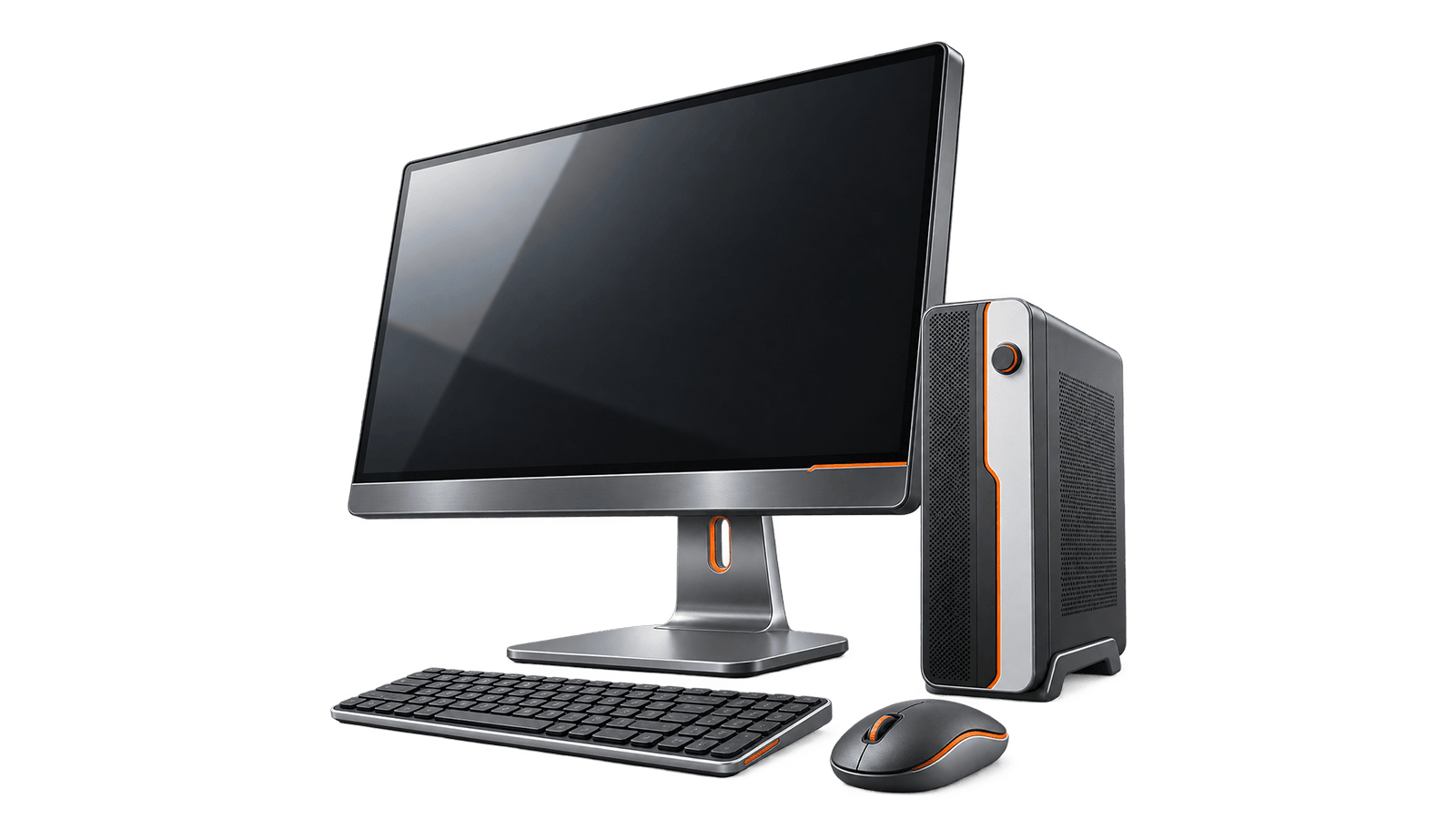
Computer with monitor, keyboard, and mouse as examples of plastic components in electronics
approx. 40% lighter
than aluminium in a 5G RF application.
260 °C
Reflow-capable plastic for optical interconnects.
4.0 million t
Plastic products and components in the European E&E sector.
224 Gb/s
High-speed connector with LCP insulating body.

When miniaturisation meets maximum performance

Challenges in development
Electronics are becoming smaller, more powerful, and more densely integrated. This increases the requirements for insulation distances, temperature resistance, flame retardancy, precision, and electromagnetic behaviour. Material and component design must therefore be considered together from the outset – especially for connectors, sensors, server components, and electrical functional parts.

Miniaturisation & Precision

More contacts, functions, and performance must be accommodated in ever smaller spaces. Thin wall thicknesses, small pitches, and complex geometries require high-flow materials and reproducible processes.

Electrical Safety & Insulation

Insulating parts must separate reliably even at small distances. Creepage distances, air clearances, voltage, contamination, and material properties must be considered together.

Flame Retardancy & Fire Safety

Electrical faults and high power densities can create ignition sources. Material, wall thickness, and component geometry must therefore match the required fire behaviour.

Heat & Power Density

Increasing performance in a smaller space increases thermal stress. Plastics must maintain their electrical and mechanical functions permanently, even under heat.

ESD, EMI & Signal Integrity

Plastic does not always have to insulate. Depending on the application, controlled dissipative, conductive, or electromagnetically shielding materials are required – without losing precision and processability.

From design to testable functional part

With rapid tooling and injection moulding in the intended production material, we quickly bring complex electronic components from CAD to reality. This allows fit, assembly, precision, and material behaviour to be checked early and designs to be specifically further developed.
Check feasibility

Project communication as simple as never before

Easy collaboration
No tool constraints. No unnecessary detours. No complicated coordination processes. We communicate with you in the way that is easiest for you and your team – via Teams, WhatsApp, email, or directly via procurement platforms such as SAP Ariba, JAGGAER, or Cegedim. Because in the end, what matters to us is not which channel we use, but that information arrives quickly where it is needed – so that your project moves forward and you have your production-like prototype in your hands faster.

You decide how we communicate

The best communication channel? The one that works for you.
Microsoft Teams
Direct coordination with your project team.
WhatsApp
Quickly clarify a question or exchange information.
Email
For everything that should be formally documented.
Partner platforms
SAP Ariba, JAGGAER, Cegedim, and other established procurement systems.

The process behind it also remains simple

We don't just want to manufacture quickly. We also want to make the path to the component as uncomplicated as possible.
Fast onboarding
So that we can start together without a long lead-in phase.
Direct procurement processes
We integrate into your existing purchasing and procurement processes.
Less friction. More speed.
Clear communication and well-established processes ensure that decisions can be made more quickly.
Ready for a partnership without detours?
We make the start as easy as possible for you – in communication, in purchasing, and throughout the entire project process.

Materials for performance in the smallest space

Material expertise for electronics & data processing
In electronics and data processing, material selection determines far more than mechanical stability. Insulation behaviour, flame retardancy, heat resistance, moisture absorption, precision, and, if applicable, ESD, EMI, or high-frequency properties must match the specific function of the component.
Black plastic granules as raw material for the production of injection moulded parts

Electrical Insulation & Tracking Resistance

Contact carriers, connectors, switches, and insulators must reliably separate voltages. CTI, dielectric strength, and dielectric properties influence the component design.
Typical material types: PBT, PA, PPA, PPS, LCP, PEI, PPE blends

Flame Retardancy & Heat Resistance

Electronic components can be exposed to electrical and thermal stress. For components close to the PCB, the temperature of the soldering process is also added.
Typical material types: FR-PBT, FR-PA/PPA, PPS, LCP, PEI, PC/ABS-FR

Dimensional Stability & Low Moisture Absorption

Small pitches, contact positions, and precise fits react sensitively to warpage and moisture. Stable electrical properties and low water absorption are crucial.
Typical material types: PBT, PPS, LCP, PPA, PEI, PEEK

ESD, Conductivity & EMI Function

In electronics manufacturing and sensitive assemblies, electrostatic charging and electromagnetic interference can be critical. Materials can be specifically modified to be dissipative, conductive, or EMI-shielding.
Typical material types: ESD/CF/CNT-modified compounds based on PEEK, POM, PC, PA, PPS

Precision & Thin-walled Design

Miniaturised connectors, CPU sockets, and sensor components require high flowability, low deformation, and sufficient strength for very small geometries.
Typical material types: LCP, PPA, PPS, PBT, high-flow GF compounds

Signal Integrity & RF Properties

In high-speed data connections, the dielectric constant and loss factor of the plastic can influence signal transmission.
Typical material types: LCP, special PPE/PPO systems, PEI, and RF-optimised compounds

Material examples

PBT · PA · PPA · PPS · LCP · PEI · PPE blends · FR compounds · ESD & EMI modified materials.
Special requirements for your component?
We will check together which material and which solution suit your component, the electrical requirements, and the area of application.

Faster to the production-like component

Why priomold
When development time, costs, and validity are crucial, you need a partner who can react quickly and flexibly. With rapid tooling, we combine short lead times with production-like injection-moulded parts – ideal for prototypes, tests, and small series.

Rapid Tooling

Develop quickly and flexibly
Our aluminium tools enable short tool lead times of between 2 and 8 weeks depending on your priority, and quick adjustments during the development phase.

Prototypes from 5 days

When every week counts
For particularly urgent projects, the first injection-moulded prototypes can be realised within just one week.

Production-like Materials

Validate under realistic conditions
We manufacture components in the intended production material, so that function, haptics, dimensional accuracy, and material behaviour can be realistically evaluated – significantly closer to the production application than with pure visual models.

FAQs on Electronics & Data Processing

FAQs
Answers on plastics for insulation, ESD, temperature, precision, and electronic assemblies.

Plastics can be used, for example, as housings, insulators, connector bodies, coil formers, carriers, or precise functional elements. Depending on the material, electrical, mechanical, and thermal requirements can be specifically combined.

Yes. We always consider material selection in connection with the specific application. Factors such as electrical properties, temperature resistance, mechanical stress, geometry, and processing play a role. This allows us to check early on which material is sensible for the component and the planned tests.

Yes. Specially modified compounds can have dissipative or conductive properties. It is crucial that the required resistance range matches the ESD concept and the specific application.

Various engineering and high-performance plastics are available for this. The decisive factors are continuous and peak temperatures as well as the mechanical, electrical, and processing requirements of the component.

Yes. Using insert technology, for example, pins, plug contacts, busbars, sheet metal, or sockets can be integrated directly into the plastic component. This allows complex plastic-metal hybrid components to be realised in injection moulding even in the prototype and small series range.

For small and intricate geometries, wall thicknesses, flow paths, shrinkage, tolerances, and mould design can be crucial. Therefore, we consider the material, component geometry, mould, and injection moulding process together as early as possible, and check the design for feasibility before mould construction.

Still haven't found the right answer?
Just write to us – we're happy to help!
Freigestelltes Porträt von Tobias Camek, Leiter Kundenmanagement bei priomold
Any more questions about your electronics project?
Tobias will be happy to help you if you have questions about material, insulation, ESD, precision, or the technical implementation of your component.
Tobias Camek
Head of Customer Management
Contact Tobias

Or write to Tobias at t.camek@priomold.de

Fast response
Personal contact
Clear, direct answers